

The Dream
I woke up a little before three this morning feeling overwhelmed. In my dream, I’d been frantically packing boxes—stuff I didn’t even need—rushing to get it all done. When I finally settled back down, I couldn’t stop thinking about those boxes and how much I need to slow down and sort through things one at a time.
The Problem with Quick Fixes
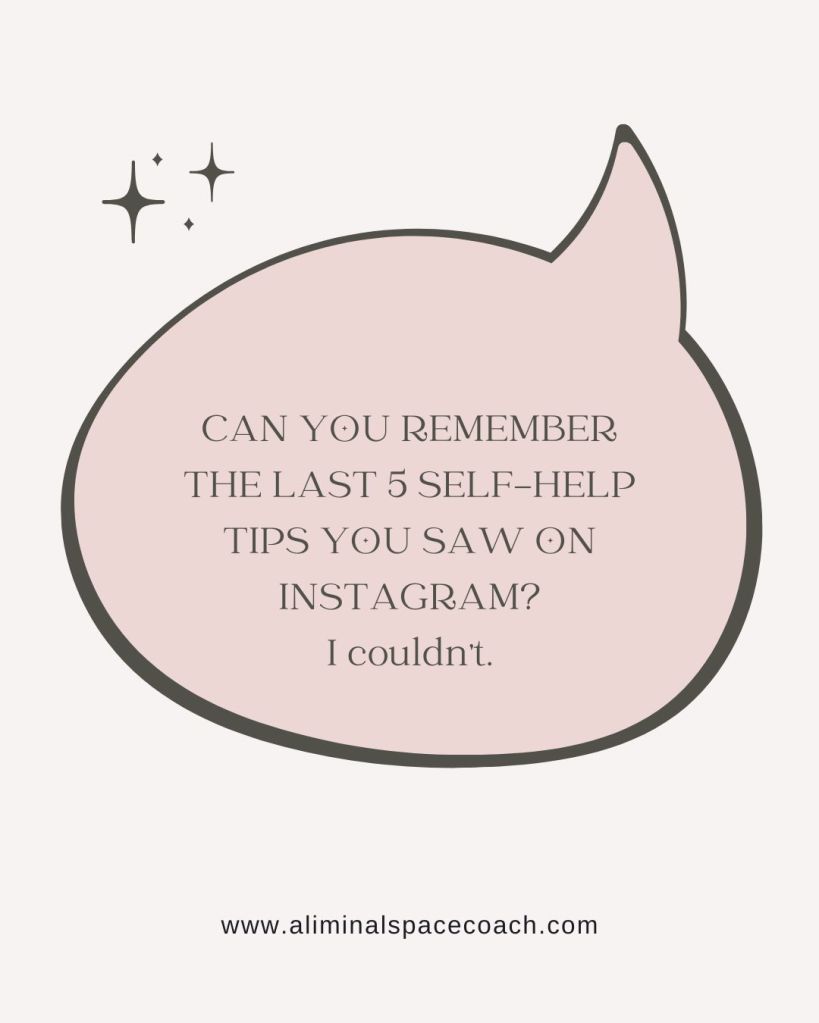
This morning I continued reading Marc Brackett’s book Dealing with Feeling. He asks a simple question: Can you remember the last five self-help tips you saw on social media?
I can’t. And I’m like most people—I spend so much time scrolling, looking for that nugget of information, that validation, that quick hit to get me through uncomfortable moments. But almost none of it sticks. All that information just disappears somewhere in my mind, like those boxes in my dream—taking up space for no reason.
Brackett puts it perfectly: “Can you remember the last five self-help tips you found on Instagram? Everyone there seems to have the greatest idea ever to help people deal with their feelings. One influencer with fifteen million followers recently shared, ‘Just say bye-bye to your anxiety. Just say, “I don’t have space for you anymore in my life.”‘ If only it were that easy. These ‘tips’ do more harm than good, in my opinion. They’re inundating us with advice that doesn’t work for longer than a millisecond or convincing us that we’ve resolved an issue that hasn’t been addressed at all. And then the problems persist—and our mental strength to perform the real work gets weaker (and that’s supported by research!).”
You know the posts—”The one mindset shift that changed everything.” I read them, feel that spark of recognition, then… nothing. An hour later I’ve forgotten them and I’m chasing the next one.
The problem isn’t just that I’m not remembering. It’s that I’m becoming desensitized. Enough exposure to quick fixes and you stop being impacted by anything at all. Information that isn’t thoughtfully applied just becomes noise.
What Our Emotions Actually Do
Here’s what I’m learning: our emotions are supposed to guide us. They give us information that helps us make our best decisions. They tell us what matters and what doesn’t. They spark us into action when we need it.
But when I’m constantly scrolling and feeling so many different things on a superficial level—without pausing to understand or act on them—I’m burning them out. I’m training myself to ignore the signals. Eventually, I lose the ability to identify what I’m actually feeling and what I need to do about it.
Emotions consume energy. A lot of energy. Energy I don’t even realize is being used until I’m exhausted and wondering why.
Where My Energy Goes
My husband noticed I was tired the other day. He asked how much I might be doing that wasn’t necessary. He’s been learning to use his time and energy better because of his own health challenges. Recently, he decided to stop cutting a part of our yard. He’d started asking himself: what do I really need to be doing?
Such an important question.
When we’re overwhelmed, it’s often because we don’t have enough energy for what actually matters. So recognizing where our energy is going becomes critical.
Every scroll through social media triggers emotions—little sparks of recognition, frustration, hope, comparison. Every post I half-pay attention to still uses emotional energy, even when I don’t process or apply what I’m feeling. I’m constantly triggering emotions without purpose, burning through my reserves on things that don’t need my attention.
Data shows that children who learn to identify and manage their emotions perform better in school. Yet most of us learned very little about managing emotions as we grew up. We learned to press them down to keep performing. But so many of us never learned that emotions require energy, or that we get to choose what deserves that energy.
If we don’t learn now, we’ll keep wondering why we’re exhausted without making the progress we want to make.
What I’m Changing
I can’t teach anyone about managing their emotions, choices, or time if I don’t learn to manage my own.
So I’m slowing down. I’m sorting through what to keep and what isn’t mine to keep. I’m looking at what’s taking up space in my life—what I need and what needs to go. What I need to spend more time learning and actually applying. What belongs to others.
I’m realizing that mindless scrolling might be keeping me from ever taking anything to heart. We all know that to truly learn something, we need to apply it. Too much scrolling trains us to ignore what’s actually important.
I’m getting too many signals, and it’s hard to know which one to listen to. So I’m evaluating. Maybe I’ll just notice what I’m feeling instead of scrolling past it. Maybe I’ll ask myself my husband’s question: what am I doing that I don’t need to be doing?
One box at a time.
We consume so much to feel something in the moment. But information that isn’t thoughtfully applied just becomes noise.
What’s taking up space in your life that needs to go?
What signals are you ignoring because there’s too much noise?
If you could only focus on one thing this week, what would it be?
What would you remember if you stopped scrolling right now?
Resource

 A Liminal Space
Leave a comment