
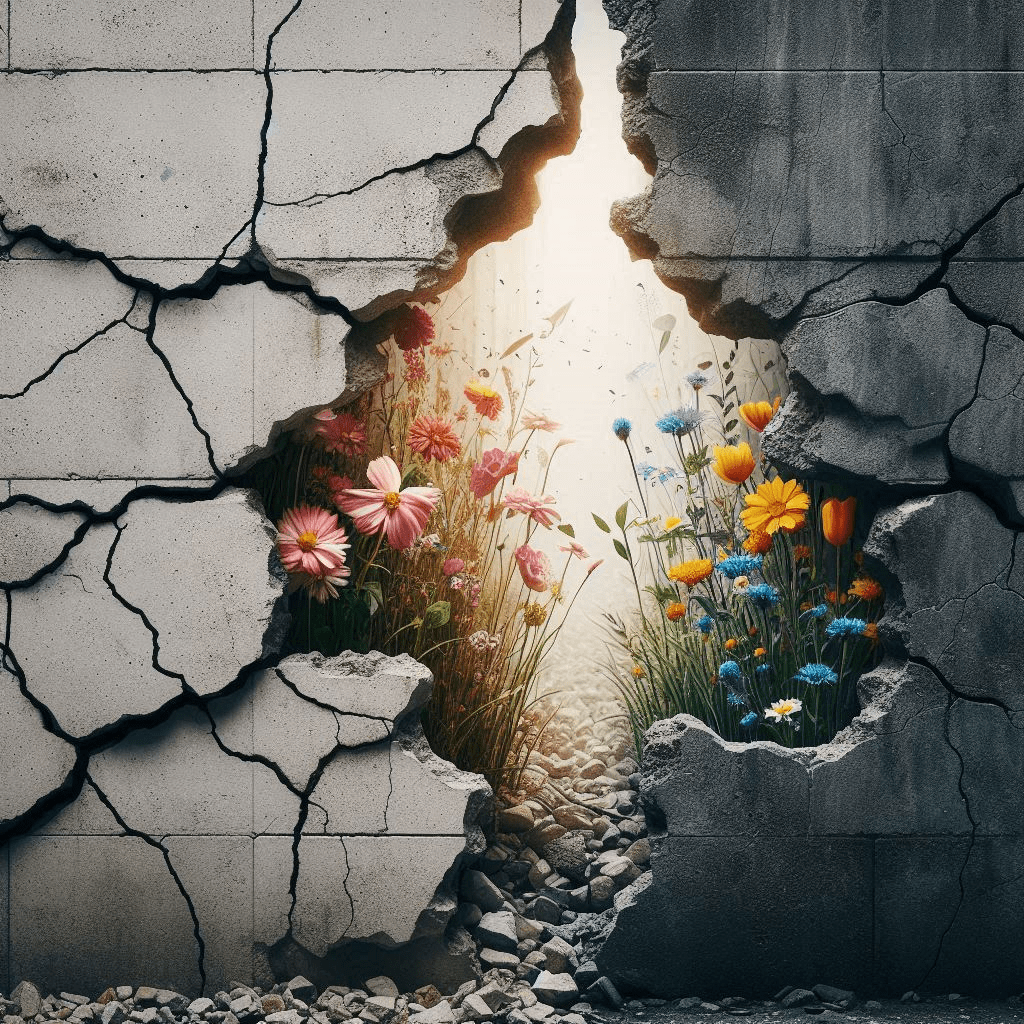
Have you ever felt like you’re drowning in everyone else’s certainty?
In a world where voices scream from every direction—demanding we pick a side, choose a cause, believe their version of truth—I find myself exhausted. Maybe you feel it too. That heavy weight of not knowing who to trust when everything swings from one extreme to another.
It would be easier to just pick a team and stop thinking so hard. Find our tribe, settle into their narrative, eliminate conflict. But after years of seeking simple answers only to watch them crumble, I’m convinced our world needs something different: the courage to sit with complexity and still choose hope.
Here’s what I’ve learned about finding that hope, even when—especially when—everything feels broken.
The Framework That Saved Me
John Wesley once said: “Do all the good you can, by all the means you can, in all the ways you can, in all the places you can, at all the times you can, to all the people you can, as long as ever you can.”
These words can be a North Star through such a time as this. When I can’t trust leaders, when family disappoints, when the future looks bleak—I can still ask: What good can I do today? It’s simple enough to remember in crisis, practical enough to act on immediately, and powerful enough to change everything.
But let me tell you how I got here.
When the Foundation Cracks
For years, the church provided alignment for me. I craved structure, someone to tell me how to be good. Attending twice a week felt like insurance against moral failure. Follow the rules about drinking, movies, church attendance, and maybe—just maybe—I could convince myself I was a good person, even when my heart whispered otherwise.
But performance-based identity is a house built on sand.
Mine came crashing down when the very person I trusted most—my pastor, boss, and father figure—crossed boundaries that should never be crossed.
The abuse I’d rationalized from childhood suddenly had company. The grooming, the secret-keeping, the gradual erosion of boundaries—it all felt familiar because trauma had taught me this was just how people lived. Everyone has secrets, right? Everyone does these things. And I convinced myself for nearly a decade.
Until I started caring about other people enough to want honesty with them. Until I realized I could be loved without keeping secrets. That’s when the conflict became unbearable.
What happens when the person teaching you about goodness is the one causing harm?
The Day Truth Became Non-Negotiable
I’ll never forget listening to Tullian Tchividjian preach on a podcast about loving God and loving others. (The irony that he later had his own exposed secrets isn’t lost on me.) But in that moment, the message pierced through my defenses: I couldn’t love God or others while living a lie.
I thought about my friends’ and family faces, their trust, their honesty with me. How would I feel discovering they were keeping similar secrets?
So I took the advice of another pastor’s podcast (who also later fell from grace) and stepped out of darkness into light. Maybe the Holy Spirit was speaking to all of us, and I was just crazy enough to listen.
It ended in complete chaos. Sometimes we keep secrets because truth is genuinely dangerous and damaging. But here’s what I can say now: I don’t have to die with that secret. I can sleep knowing I’m not hiding something so destructive anymore.
Sometimes the most loving thing we can do is tell a truth that breaks everything.
Living in the Aftermath
The fallout has felt radioactive at times. Especially this time of year when everything originally hit the fan. Family members still carry wounds from the betrayals. Others abandoned us because we couldn’t just “forgive, forget, and move on.”
If only healing were that simple.
I understand the appeal of easy answers. They’re like McDonald’s—quick, satisfying in the moment, but they don’t nourish real growth. I’m tired of burning energy on things that don’t feed my soul. Tired of watching people fall off pedestals. Tired of family disappointments. Tired of giving energy to broken cycles that just repeat the same destructive patterns.
How do we keep going when the people we trusted most prove untrustworthy?
When Hope Feels Impossible
This morning I woke up thinking about all the dreams and hopes that have propelled me forward, only to fall short—especially the ones involving people I’d placed on pedestals, including my expectations of myself.
The world feels like everyone’s screaming for my attention, demanding I believe their side, support their cause. It’s overwhelming because it IS overwhelming. Looking at news and social media, I struggle to find real hope to grab onto. With everything I’m seeing, the future looks bleak for us and future generations.
Last week I read another story about someone I followed being accused of abuse. I was ready to throw in the towel on following anyone else. Who can we believe? What can we believe when the house is on fire and everyone’s shouting different directions to put it out?
Is it possible to hope when everyone keeps proving they’re just human?
Sitting with Grief
If I seem frustrated and overwhelmed, I am. But I’m learning this is grief—the heaviness I’ve been carrying. And I’m finally learning to feel it instead of fighting it, to ask what it’s telling me about the world I live in, the family I care about, the source of hope and meaning I can cling to.
I keep going back to one day at a time, sometimes five minutes at a time. The words of Esther echo: “for such a time as this.” Rather than beating myself up for past mistakes, I’m asking what I can do with what I’ve learned from the ways I’ve been harmed and the ways I’ve harmed others.
Even in issues of abuse, it’s not as black and white as we want it to be. We’re humans and we mess up. In our “gotcha” culture, messing up means judgment and potential loss of everything. But I remember how it felt to be judged, and I remember Jesus’ words about judgment. I’m trying to expect the best from others until they prove me wrong, though it’s hard after watching so many fall off their pedestals—including myself.
What if grief is not the enemy of hope, but its teacher?
Discovering Where Hope Actually Lives
John Wesley’s words keep returning to me: “Do all the good you can, by all the means you can, in all the ways you can, in all the places you can, at all the times you can, to all the people you can, as long as ever you can.”
This is where hope lives in such a time as this. Not in perfect leaders or flawless systems, but in our daily choice to do good despite the brokenness around us. Even while feeling the weight of grief when we see people causing harm, we can focus on the good we can do.
I remember reading in Ashley Judd’s biography about her humanitarian work—how she wished she could help everyone and felt heavy because she couldn’t. So she chose to help those she could. I love this because sometimes I feel like if I can’t solve everything, I shouldn’t do anything at all. But that’s not true.
Here’s what “doing all the good you can” looks like in practice(A few suggestions from Claude Sonnet):
– Listen without judgment when someone shares their pain
– Offering practical help to neighbors during difficult times
– Speaking truth with compassion, even when it’s uncomfortable
– Choosing empathy over ideology when engaging with different viewpoints
– Supporting local organizations that serve vulnerable populations
– Using your skills and resources to address real needs in your community
The more of us who look for opportunities to do good, the more we inspire others to do good, the more change we can create.
The Problem with Pedestals
Recently, when someone I looked up to was accused of abuse, I thought, “I’m done looking up to anyone. What’s the point of trusting anyone?” I even considered throwing in the towel on coaching and saying “Welcome to Walmart” instead.
But that’s overwhelm talking. That’s grief over someone not being who I thought they were. Maybe that’s the whole problem—trying too hard to make people into someone they’re not.
As a trauma survivor, I’ve learned no one is coming to save me. But some people have thrown me life preservers along the way. No one deserves my blind devotion because everyone is human, just like me.
There is higher responsibility in leadership positions, though. True leaders should be the most humble people on the planet if someone places confidence in them. If they cause harm, they should be brave enough to do the hard work required for change, even if it means losing what they’ve built. No one gets a free pass on consequences, but because we all mess up, we can be empathetic when someone suffers those consequences.
The Power of Showing Up Imperfectly
Today I wrote a compassionate comment to someone who initially disillusioned me. They thanked me for my response, and it felt like relief—like I was doing my part.
That’s really all we can do. But doing our part IS doing a lot. Just showing up. Just being honest. Just accepting the messiness of people. Just holding space for things we don’t understand—these small acts move us toward healing and growth.
I don’t know where we’re headed. Hope isn’t as clear as it used to be. Maybe it was never supposed to be crystal clear. But I know that showing up and trying to do my imperfect best is what I’m supposed to be doing, and there’s comfort in that.
Your turn: What good can you do today?(Claude Sonnet suggestions)
Maybe it’s a text to someone who’s struggling. Maybe it’s volunteering at a local food bank. Maybe it’s having a difficult but necessary conversation. Maybe it’s simply choosing kindness when everything in you wants to choose cynicism.
The world doesn’t need another perfect person. It needs more people willing to do imperfect good.
Please be compassionate with yourself these days. Take care of yourself. We need you to keep showing up too.
Because if we’re all born “for such a time as this,” then maybe this broken, beautiful, complicated time is exactly when the world needs our imperfect good the most.
—
What This Means for You
If you’ve made it this far, chances are you’re feeling some of this heaviness too. Maybe you’re questioning leaders you once trusted, or wondering how to hope when everything feels broken.
Here’s what I want you to know: **Your disappointment in broken systems doesn’t disqualify you from doing good within them.**
You don’t need perfect leaders to be a good neighbor. You don’t need flawless institutions to show compassion. You don’t need to have all the answers to offer the gift of presence to someone who’s hurting.
Start small. Start local. Start with the person right in front of you. That’s where hope lives—not in the grand gestures of distant leaders, but in the daily choice to do good with what you have, where you are.
The world is messy and complicated and often heartbreaking. But it’s also full of people like you—people who’ve been hurt and disappointed and are still choosing to show up with love.
That’s not naive optimism. That’s revolutionary hope.

 A Liminal Space
Leave a comment