
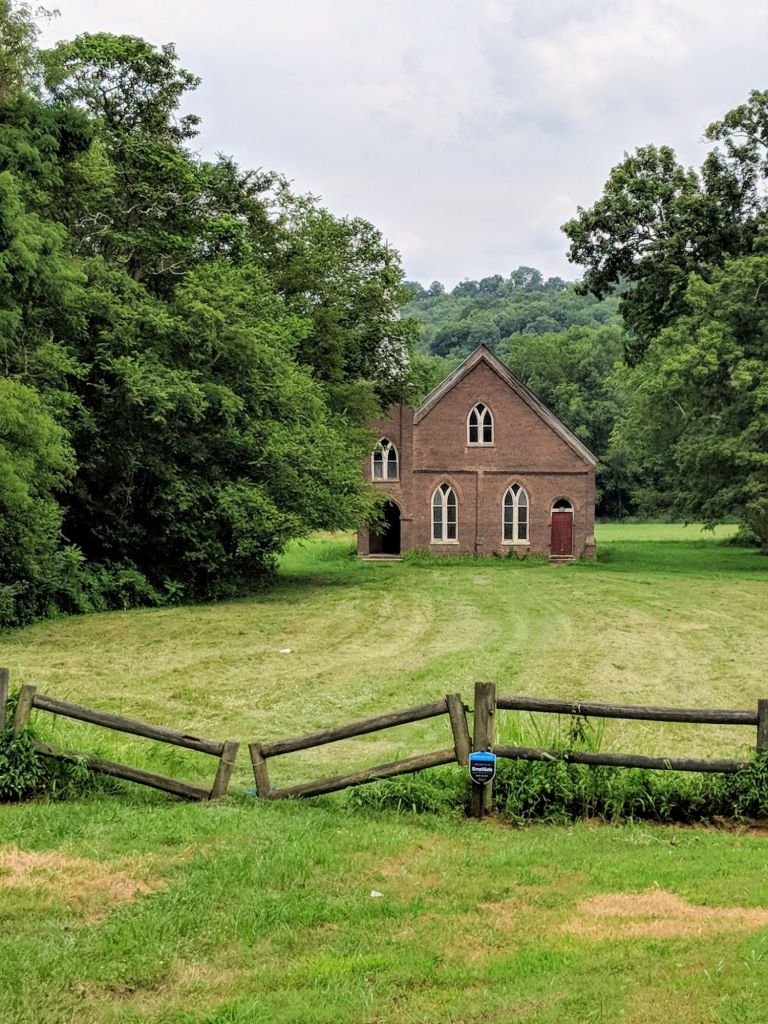
This weathered church down the road speaks to me in ways I never expected. Its broken windows and peeling paint tell the story of my own spiritual evolution—how I had to step away from rigid doctrine to find something more authentic. What looks like decay from the outside is actually transformation. The hollow sanctuary isn’t empty at all; it’s been swept clean, waiting to be filled with something truer than what came before.
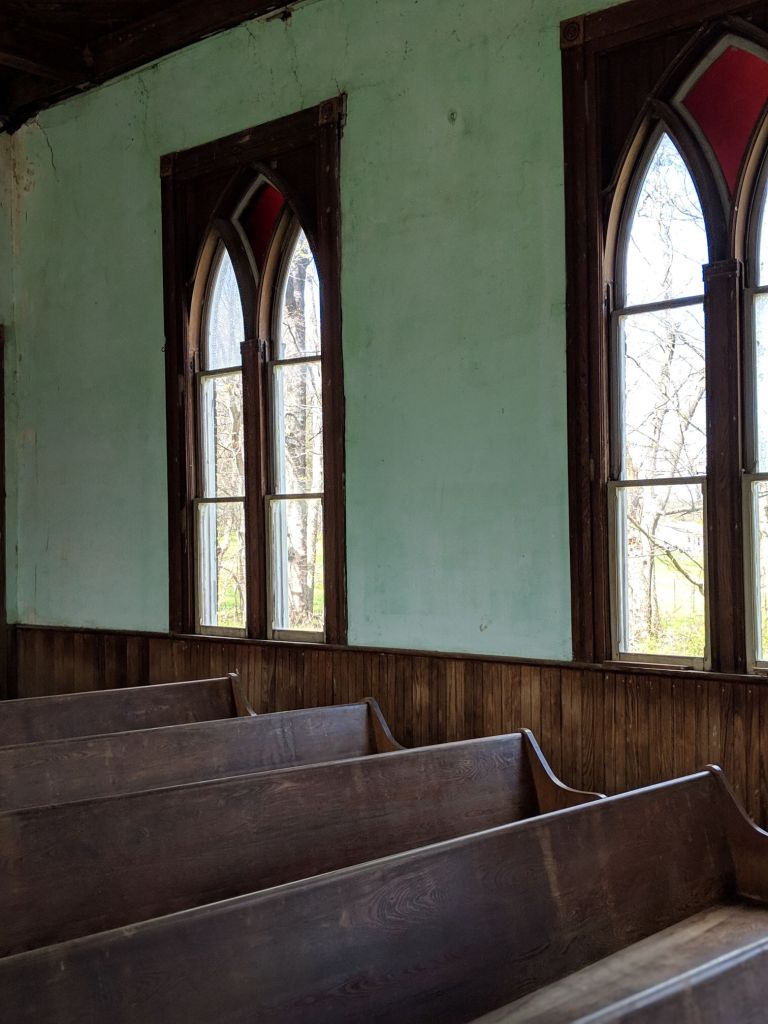
When I first drove past this church, I found myself pulling over without thinking. Something about the way it stood there—weathered yet dignified—reached straight into me. Even in its abandonment, there was a quiet holiness that made me grab my camera and try to capture whatever it was that had stirred something so deep inside.

A ghost hunting group started offering free tours here a few years back, sharing stories about the building’s past. I never spotted any spirits, but walking through those bare rooms left me with my own kind of haunting—something about the silence and the way light filtered through broken glass that stayed with me long after I left.
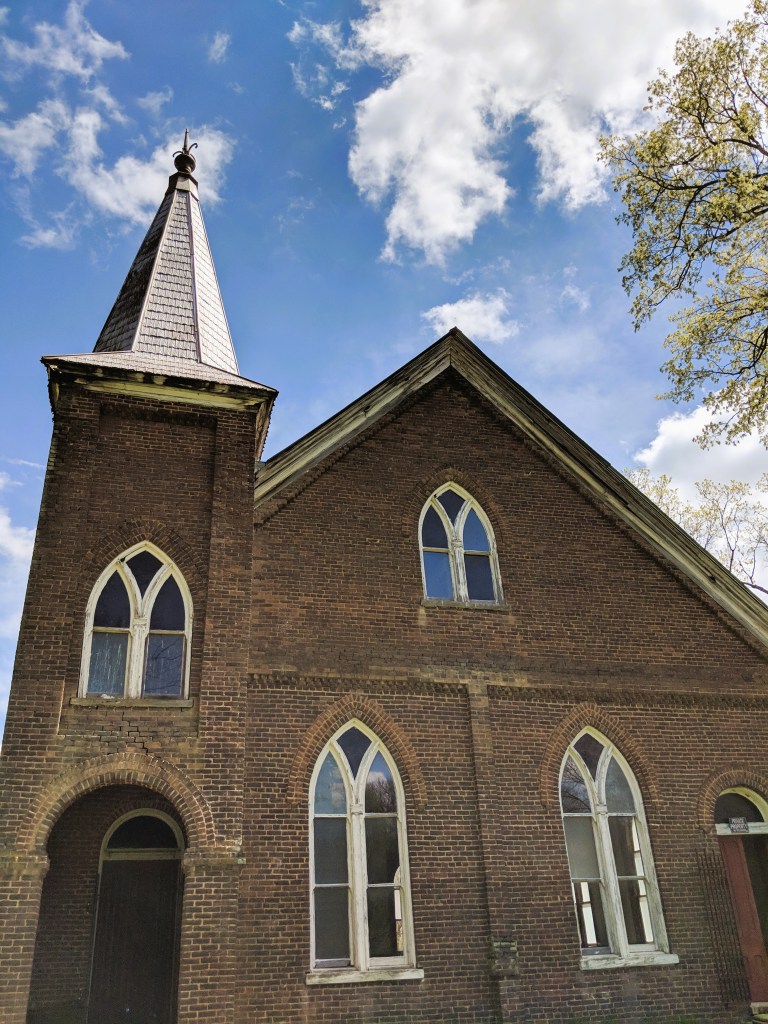
I’ve daydreamed about having the resources to bring this place back to life, to see it whole again. Standing there isolated in that field, it mirrors something I recognize—the loneliness I felt when I walked away from the faith that once defined me. There’s something achingly familiar about structures left to weather the elements alone, stripped of their original purpose but somehow still standing.
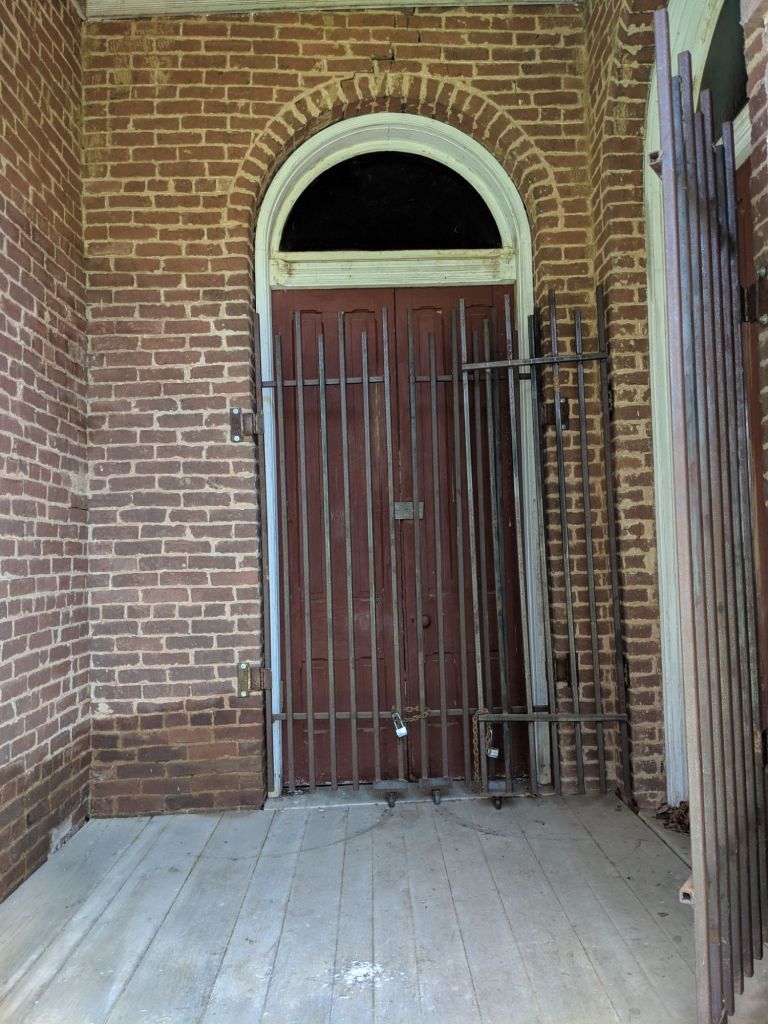
But I’ve come to understand that some things are meant to be broken down, cleared out. Maybe they’d served their purpose, or maybe the damage ran too deep for any restoration to reach. Either way, I’m certain this place once pulsed with life—voices raised in song, footsteps on worn floorboards, the hum of a community gathered. Even now, stripped bare, it still draws people in. A music video Sissy’s Song by Alan Jackson was filmed here not long ago, proof that beauty can emerge from ruins in ways we never expect.
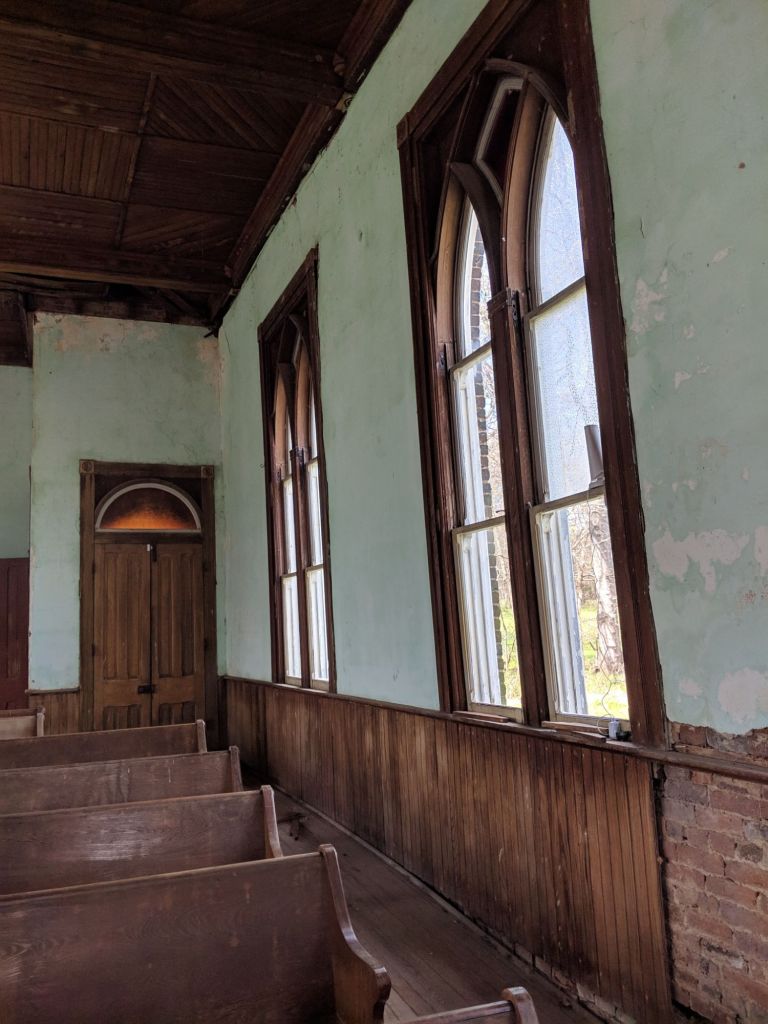
Looking at this hollow sanctuary, I keep thinking of those Gungor lyrics: “You make beautiful things out of the dust.” There’s something profound about worship happening here without sermons or congregations—just the building itself and the wilderness reclaiming it, both bearing witness to a deeper truth. We’re never truly broken, just reshaped by time and circumstance into something quieter, more weathered, but no less sacred. Beauty doesn’t always announce itself with bells and hymns; sometimes it whispers through cracked walls and overgrown doorways.
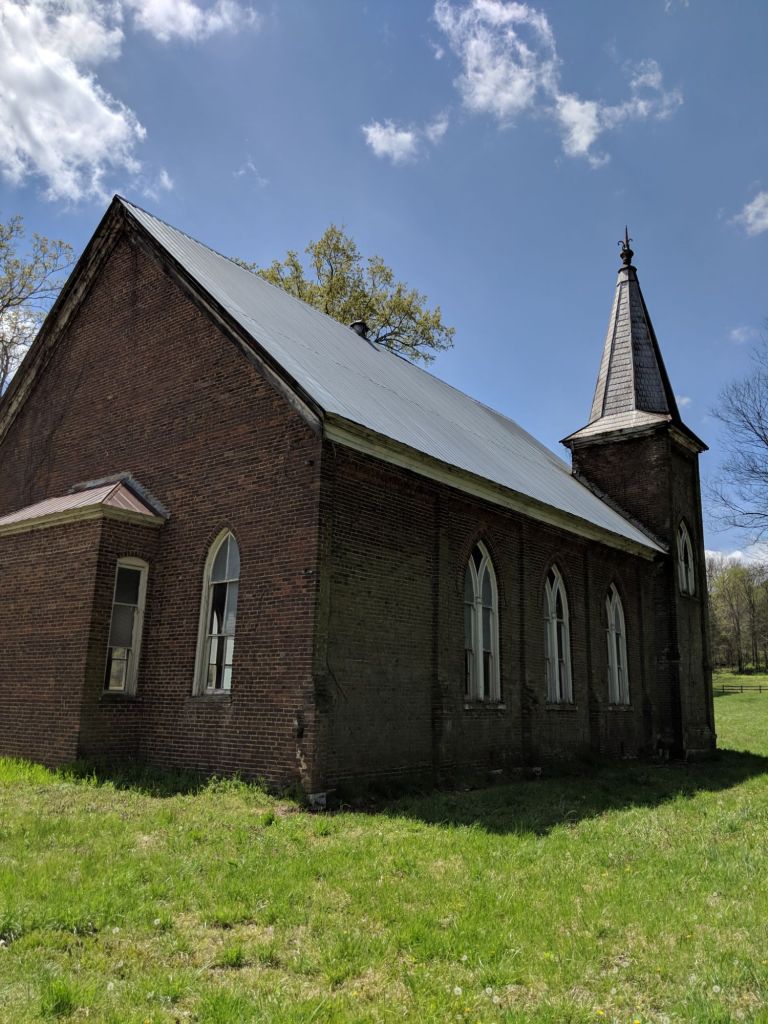
For years I felt hollow, convinced I’d never find anything worth believing in again. But eventually I understood that all that emptiness had simply cleared space for something authentic to take root. A packed sanctuary doesn’t guarantee spiritual life any more than an abandoned one guarantees death. What matters is what flows beyond those walls into the world.
If you’re like me, you’ve been watching what’s unfolding in God’s name these days with a mixture of grief and bewilderment. Having stepped away from evangelical circles more than a decade ago, I see things differently now from some of those who stayed. I wonder sometimes if they’re like frogs in slowly boiling water—gradually becoming something that bears little resemblance to the Jesus they claim to follow. From this distance, despite the pain of leaving, I’m grateful I got out when I did.
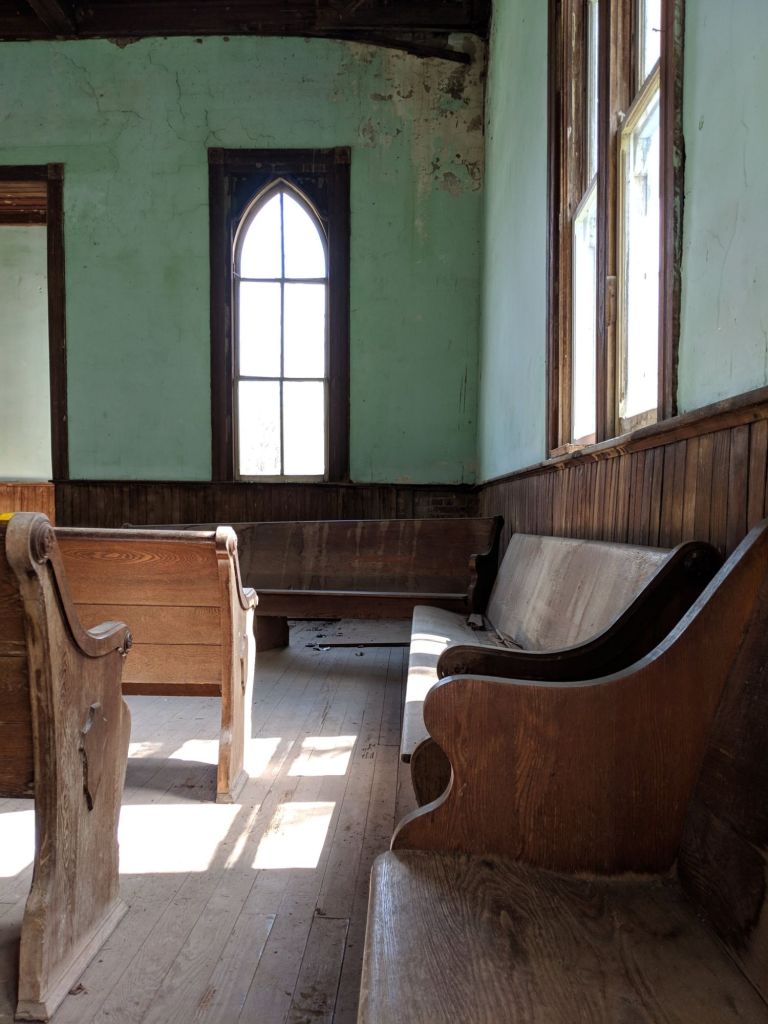
What surprises me most is how much clearer everything becomes when no one’s telling you how to think about God. The view from outside those walls has its own kind of revelation.
I can’t judge everyone who stayed, but I believe time has a way of revealing what people truly hold in their hearts. We’re living through a moment in this country where authentic faith will either rise to the surface or be exposed for what it really is. I’m not claiming to be a prophet, but I know this much—carrying a Bible or reciting prayers doesn’t make someone a follower of Christ any more than standing in a garage makes you a car.

My mother used to say there’s none so blind as those who refuse to see. So my prayer today, offered from outside those familiar walls, remains the same: that our eyes might be opened to recognize the divine in every person we encounter—regardless of their passport, their prayers, or who they choose to love. Sometimes the most sacred thing we can do is simply see each other clearly, without the filters that institutions can place over our vision.
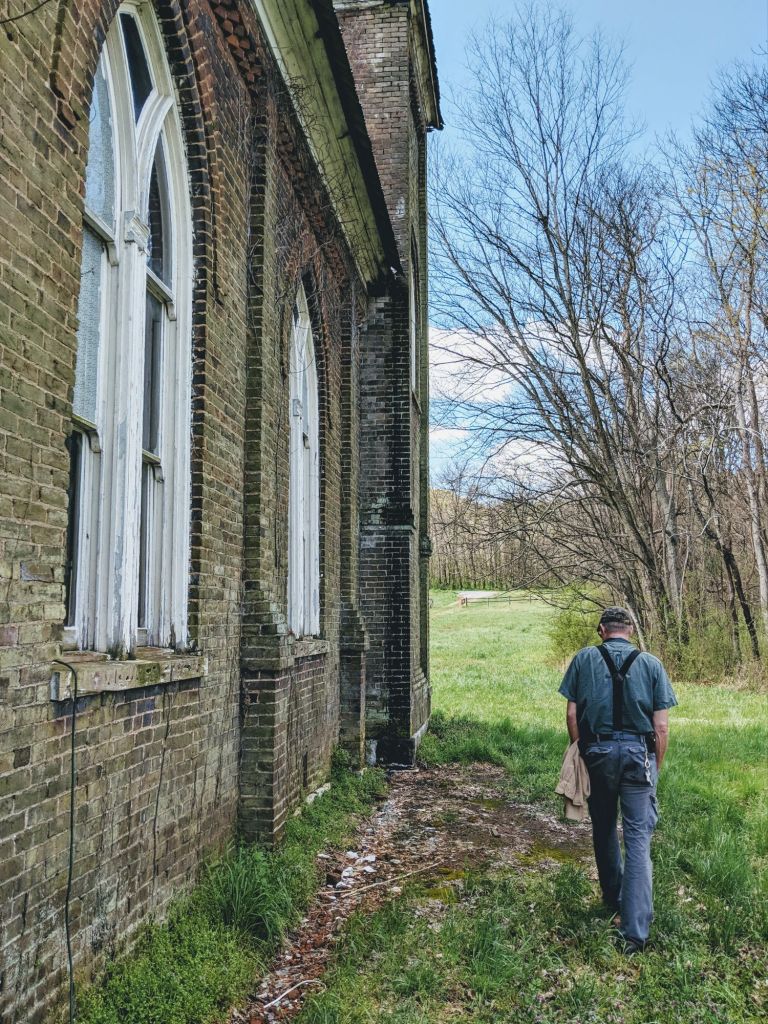

 A Liminal Space
Leave a comment